4 hr
Southern Flavours Food Tour with 15+ Tastings
Explore Phuket Old Town's culinary heritage through local markets, hidden teahouses, and family-run eateries
Reserve
Fifteen tastings through Sino-Portuguese shophouses, dim sum to roti at dusk
Hand-picked by our editors — only the best 5 culinary experiences from 47 reviewed
Verified partners for every tour, free cancellation where available, and instant confirmation on every booking.
4 hr
Explore Phuket Old Town's culinary heritage through local markets, hidden teahouses, and family-run eateries
Reserve
4 hr
Award-winning culinary journey through UNESCO-recognized Old Town with over 15 authentic street tastings
Reserve
4 hr
Explore historic streets and sample authentic Southern Thai dishes on this intimate culinary adventure
ReservePrices from verified partners. Availability updates in real time at checkout. Free cancellation policies apply where shown.
The landmarks, rooms, and views travelers on this tour remember — all visible on a single visit.
Known for its colorful Sino-Portuguese shophouses and history as a former district, it is now the most photogenic street in the area.
This museum details the history of Chinese immigrants and their influence on local culture in an elegant colonial-style building.
The heart of the Sunday market, this street features historic architecture and many traditional food vendors.
A significant Taoist temple known for its role in the annual Vegetarian Festival and traditional ceremonies.
A preserved 19th-century mansion offering a rare glimpse into the lives of the wealthy tin mining families.
They complement each other; most visitors who do both call the guided Phuket Old Town food tour the more efficient option for deep culinary insights, while self-guided wanderings offer superior personal freedom.
| Feature | Top pick Guided Tour | Self-Guided |
|---|---|---|
Curated Insight |
High local expertise | Limited to personal research |
Flexibility |
Fixed schedule and route | Complete itinerary control |
Pace |
Guided by group tempo | At your own speed |
Cost |
Fixed price per person | Varies based on consumption |
Social Experience |
Interactive group setting | Private or solo experience |
Transportation Logistics |
Meeting point provided | Independent arrival required |
| See tickets → |
Verdict: Choose the phuket old town food tour tours to access hidden culinary gems, or opt for the phuket old town food tour tour if you prefer setting your own pace without phuket old town food tour tickets.
Choose your ticket, select your date, and reserve in under two minutes. Secure checkout handled by our verified partner.
Instant confirmation by email, with a mobile voucher you can save offline. No printing, no queuing at a collection desk.
Arrive at the entrance, show your voucher on your phone, and walk in. Most tickets include priority or skip-the-line access.
Best time to go, insider tips, nearby landmarks, and the cancellation fine print — flip through to skim what matters to you.
Flexible, no hidden fees.
For pre-booked tours, cancellation policies vary by operator; please check your specific voucher terms.
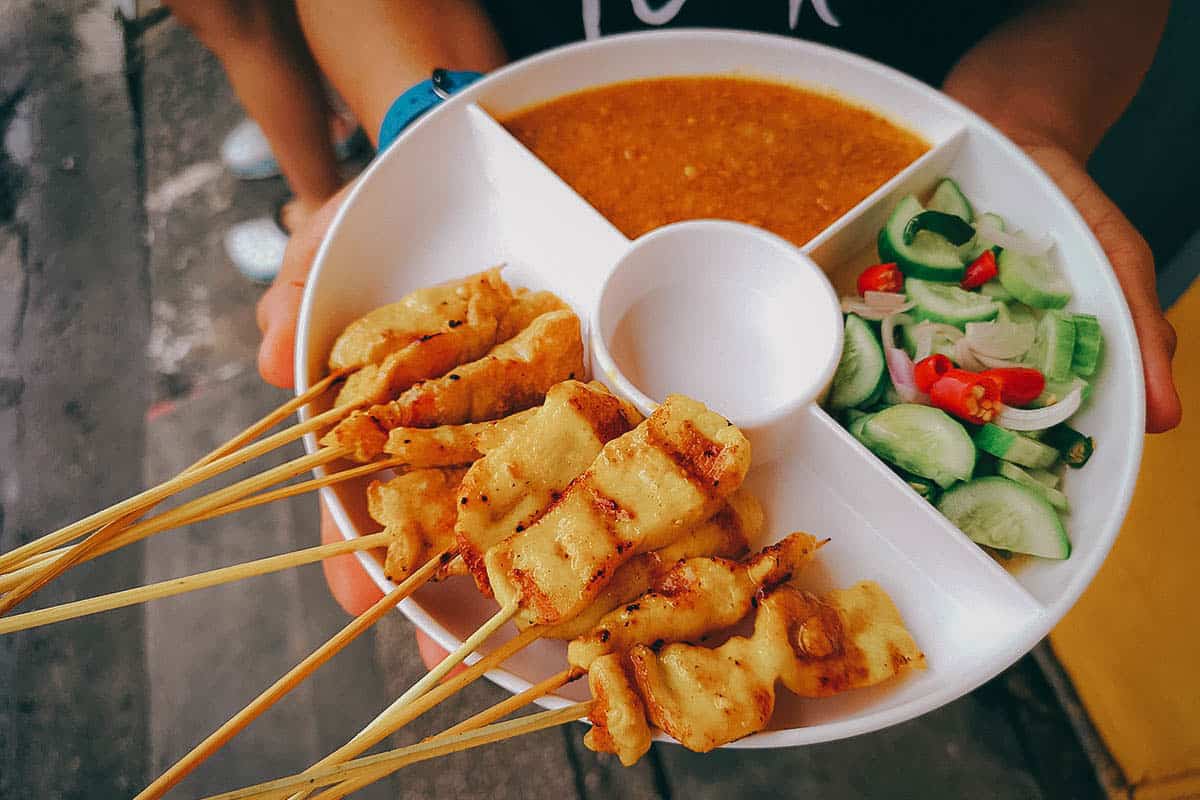
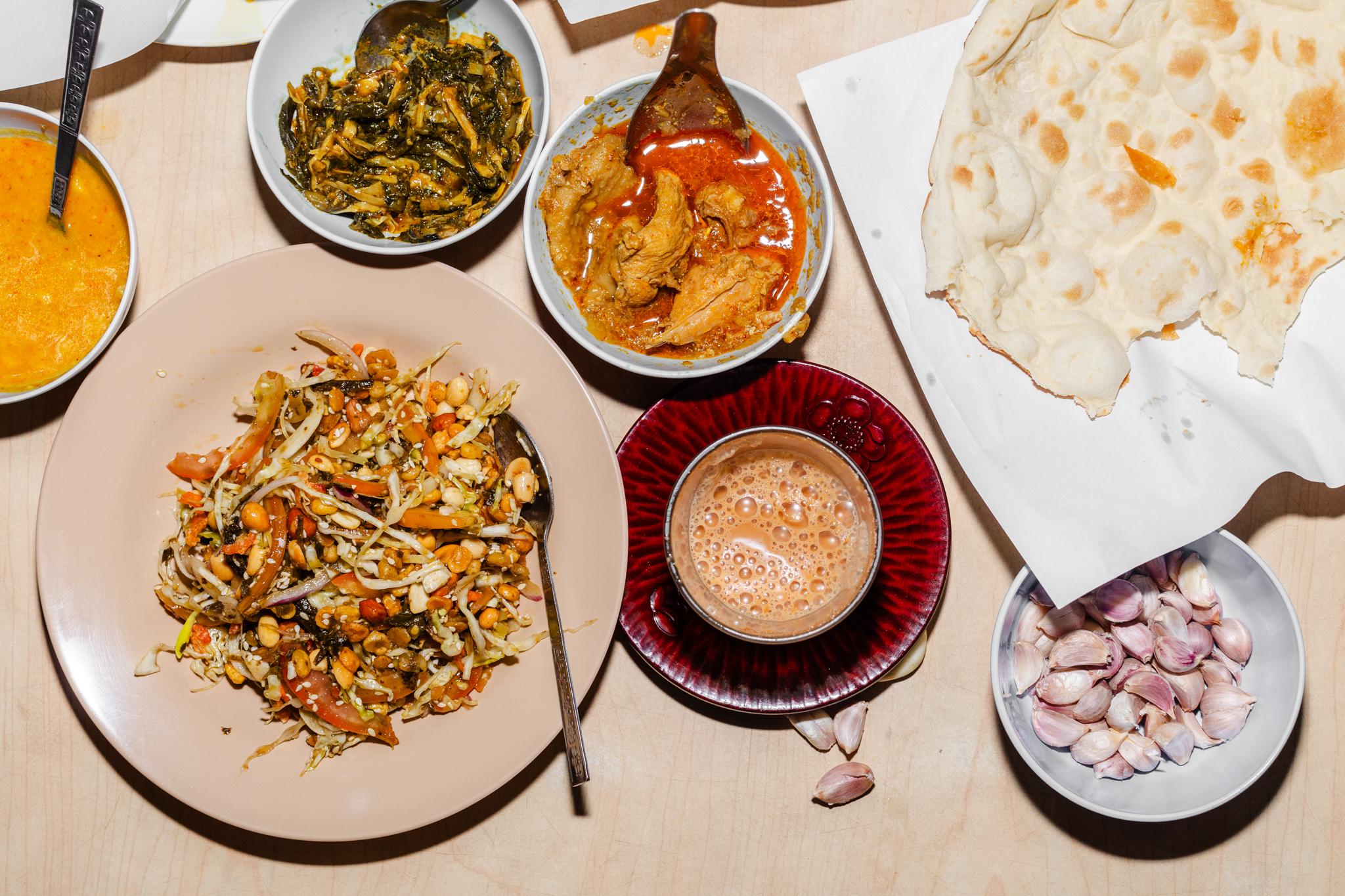
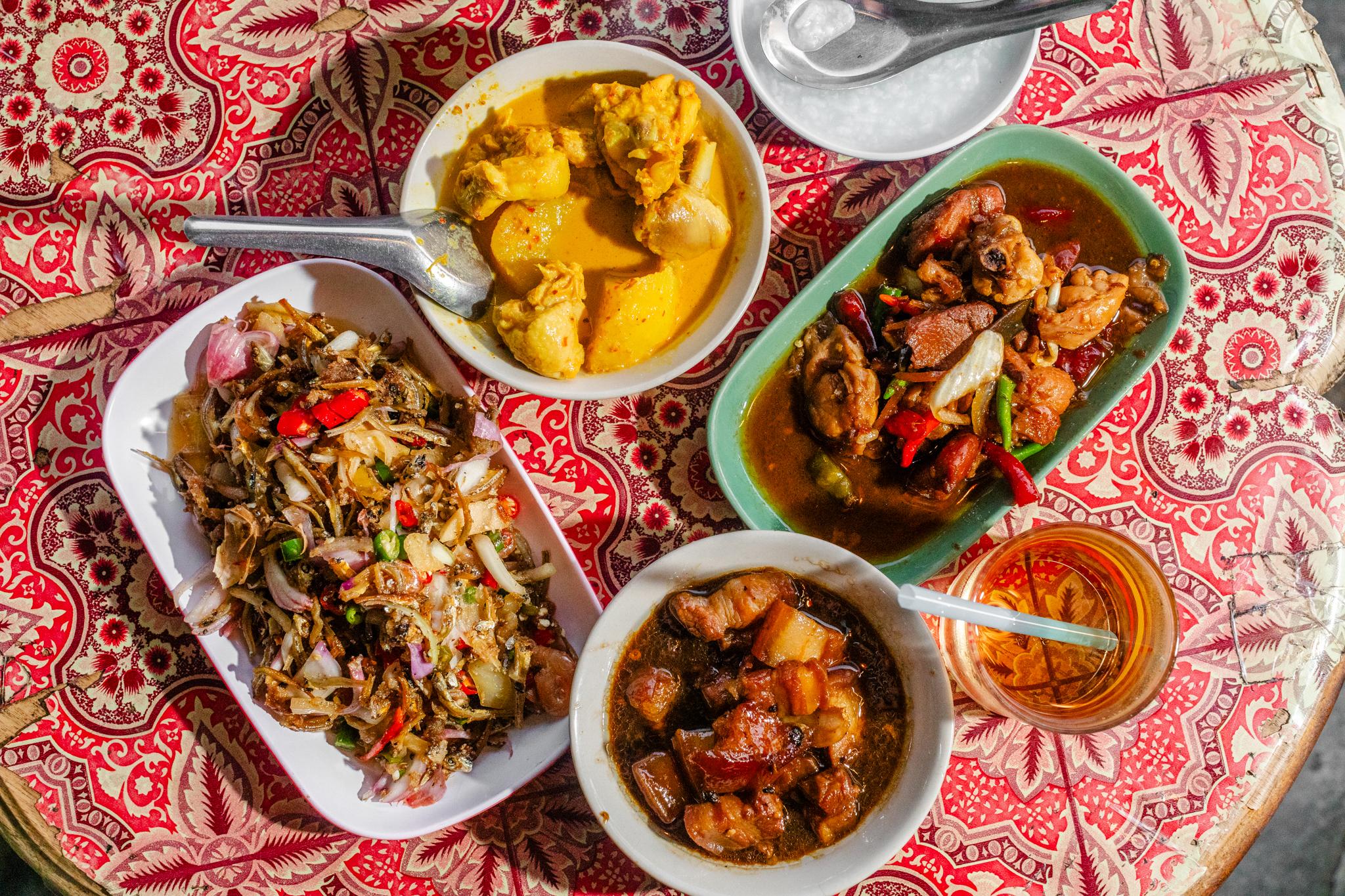
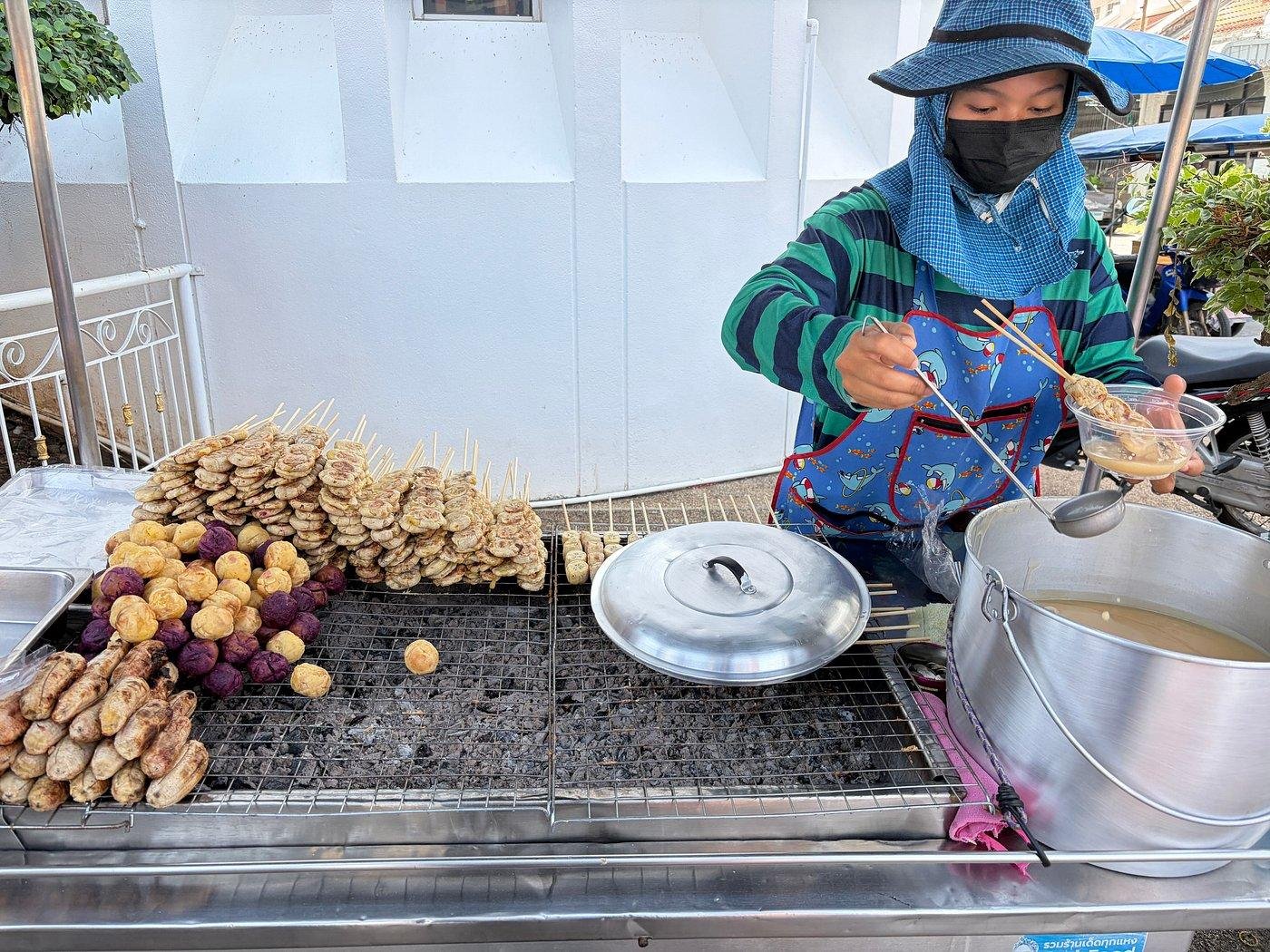
The Hokkien merchants who arrived in Phuket during the 19th-century tin boom carried recipes that had survived three generations of diaspora, and those recipes—braised duck with five-spice, steamed buns filled with pork and salted yolk, mee sua noodles in ginger broth—remain the foundation of Old Town's culinary identity today. Between Thalang Road and Dibuk Road, more than sixty shophouses still operate as family-run kitchens, many occupying the same Sino-Portuguese buildings their founders leased in the 1880s. The pastel facades and arched windows are tourist landmarks, but the interiors hold woks that have been re-seasoned every morning for four decades. A phuket old town food tour connects those kitchens in a single evening. Most routes begin near the On On Hotel, where vendors set up charcoal grills by 16:00, and wind south through Soi Romanee, pausing at dim sum counters that still hand-crimp har gow at dawn and Baba dessert shops where coconut custard is steamed in pandan leaves. The term Baba refers to the Peranakan community—descendants of Chinese settlers who married into Malay families—and their cuisine layers Hokkien technique with galangal, turmeric, and tamarind. You taste it in kanom jeen noodles dressed with fish curry, in oh aew shaved ice topped with grass jelly and longan, in roti stuffed with banana and drizzled with condensed milk. These are not museum pieces; they are weeknight staples, sold from windows no wider than a doorway. The food walks themselves are clustered between 18:00 and 21:00, when the streets cool and the shophouses open their shutters. Guides lead groups of six to twelve, stopping at fifteen to eighteen locations over three hours. You sample deep-fried spring rolls at a corner stall that has occupied the same pitch since 1976, palm sugar pancakes from a vendor whose grandmother supplied the same recipe, crab curry served in a dining room where the tiles and ceiling fans are original to 1912. The routes overlap—most include the Sunday walking street market when it runs, and nearly all finish near the Romanee-lined café strip—but the selection of stops varies by guide, and each brings a different narrative thread: architectural history, ingredient sourcing, family lineage, or the economics of shophouse preservation. Phuket Old Town food tour options now include morning dim sum walks, evening street food circuits, and half-day experiences that pair tastings with a visit to the municipal market on Ranong Road, where vendors sell fresh turmeric root, fermented shrimp paste, and blocks of palm sugar cut from twenty-kilogram wheels. The district remains a working neighborhood, not a heritage park, and the culinary landscape reflects that—third-generation noodle shops operate beside new specialty coffee roasters, and the same storefront that serves Hokkien braised pork at lunch may pivot to craft cocktails by 20:00.

"The Hokkien merchants who arrived during the tin boom carried recipes that had survived three generations of diaspora, and those recipes remain the foundation of Old Town's culinary identity today."
Modest dress is required if visiting temples, though casual wear is fine for general walking tours.
Yes, the area is well-suited for families with many accessible food stalls and cultural sites.
Photography is encouraged, especially of the Sino-Portuguese architecture and vibrant street art.
Policies depend on your specific tour provider; please verify your booking terms for exact refund windows.